2027 YIN YOGA, MYO FASCIAL RELEASE & MYO-YIN TEACHER TRAINING
hanah
✱
coaching
✱
hanah ✱ coaching ✱
Hybrid or fully online - registration with Yoga Australia Pending
Go beyond the poses. Understand the why. Teach with confidence.

Yin Yoga is so much more than holding a stretch for a few minutes.
And teaching Yin Yoga well? That takes more than memorising a sequence of poses.
It takes an understanding of anatomy, individual variation, the nervous system, yogic philosophy and, perhaps most importantly, the ability to adapt what you're teaching to the people in front of you.
This comprehensive Yin Yoga Teacher Training brings together traditional yogic wisdom, contemporary anatomy, myofascial release, Myo-Yin, trauma-informed principles and the practical skills you need to create meaningful, inclusive classes.
With flexible online learning, live mentorship, practical teaching experience and individualised feedback, you'll be supported to develop your knowledge, find your authentic teaching voice and confidently bring what you've learnt into your classes.ing for a more personalised approach, your practice is selected and adapted for you.own the page
Not all Yin Yoga teacher trainings are created equal.
Perhaps you've already experienced a Yin Yoga class that left you feeling wonderful.
Or maybe you've been teaching Yin for a while, but you're beginning to question some of the things you've been taught.
Why does one student experience a pose completely differently from another?
Are we really stretching or are we stressing or are we stressing it when we hold a pose?
Is yin suitable for everyone?
Is myo-yin and mayo-fascial release suitable for everyone?
Is deeper always better?
How do we make Yin Yoga more accessible to people with different bodies, experiences and needs?
And how do we know our students are actually benefiting from the practices we're offering?
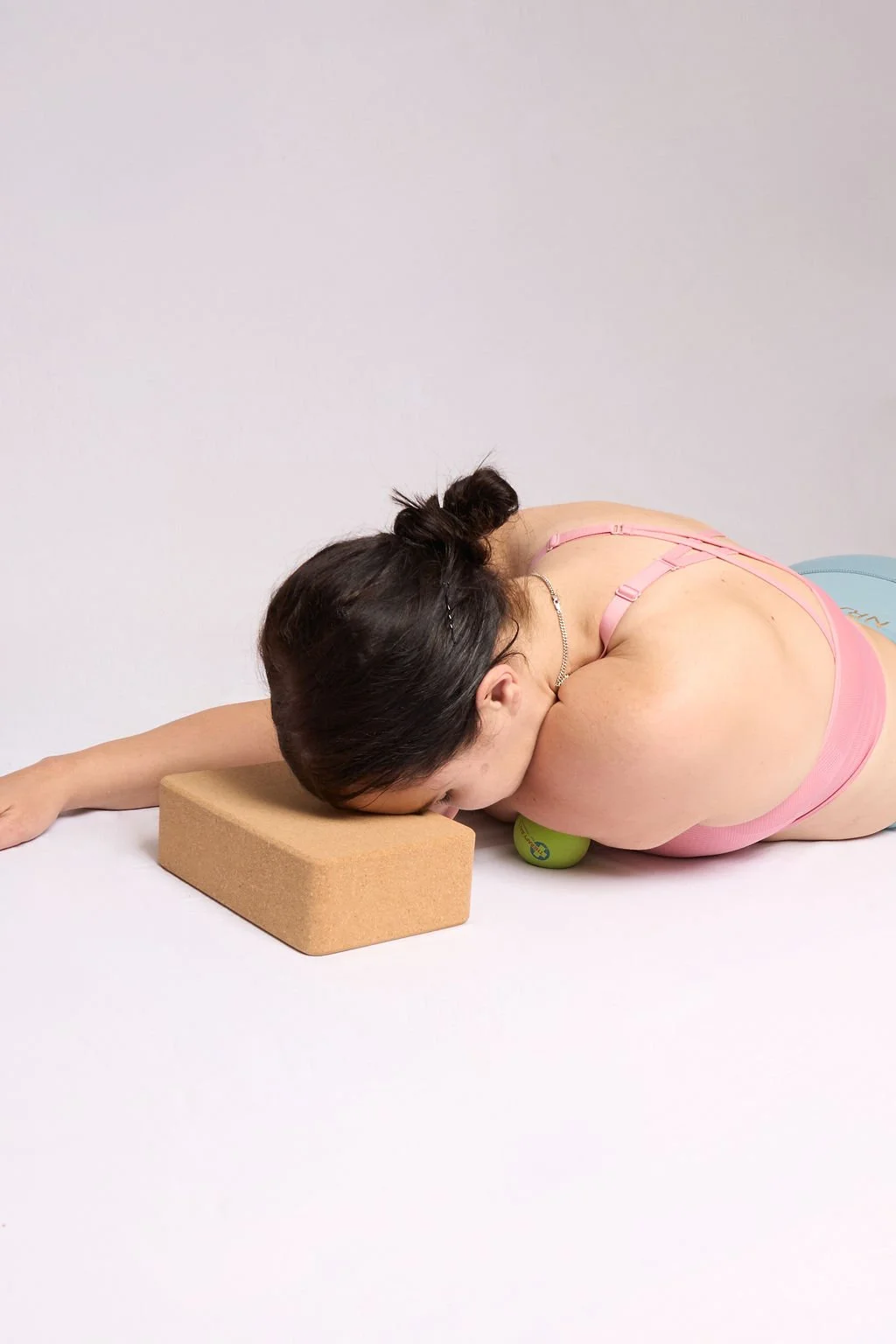
Why is yin more effective with yoga props?
What makes yin (Paul Grilley method) different to restorative yoga (popurised by Judith Hanson Lasater?
These are the questions that make us better teachers.
Because the more we understand, the more we realise that yoga isn't about fitting people into poses.
It's about adapting the practice to the person.
And that's at the heart of this training.
A different approach to Yin Yoga teacher training
I believe yoga teachers deserve more than a collection of prerecorded videos and a certificate at the end.
You deserve to understand what you're teaching, why you're teaching it and how to adapt when something isn't working.
This training combines in-depth education with practical application, teaching experience, live support and meaningful assessment.
We'll explore Yin Yoga from several perspectives, weaving together functional anatomy, fascial science, yogic philosophy, mental health awareness and evidence-informed teaching.
We'll also explore self-myofascial release and Myo-Yin, expanding the tools you can offer your students.
And we won't stop at theory.
You'll practise planning, sequencing and teaching, receive constructive feedback and demonstrate your understanding through assessments designed to help you become a more capable and confident teacher.
Because completing a course and being ready to teach aren't always the same thing.

‘Why complete a yin yoga teacher training with someone who's never formally trained in yin, or only just become a yoga teacher themself? Especially, when you have the option to study with someone who has completed over 200 hours in yin yoga and taught it for over 12 years?
Liz Albanis
What makes this training different?
Functional anatomy, not one-size-fits-all alignment
Every body is different. We'll explore skeletal variation, joint mechanics, tension, compression and how these differences influence the way we experience yoga poses.
You'll learn to move beyond rigid alignment rules and guide students towards an experience that works for their individual bodies.
Trauma-informed and mental health-aware teaching
Stillness isn't always relaxing. Closing your eyes isn't comfortable for everyone. And what feels supportive to one student may feel challenging to another.
We'll explore trauma-informed principles, nervous system awareness, consent, choice, invitational language and how to create more inclusive experiences without stepping outside our professional scope.
Myofascial release & Myo-Yin
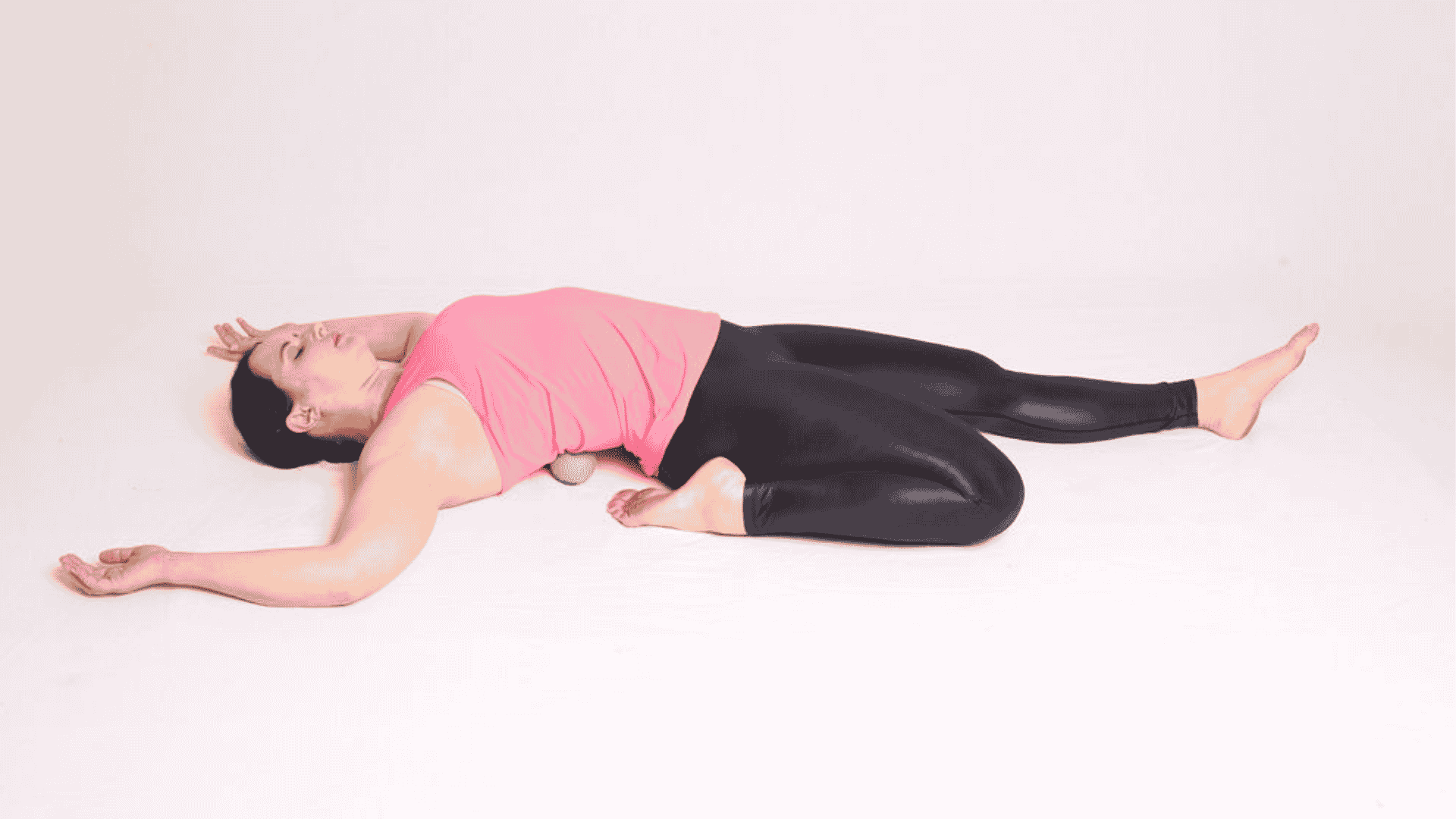
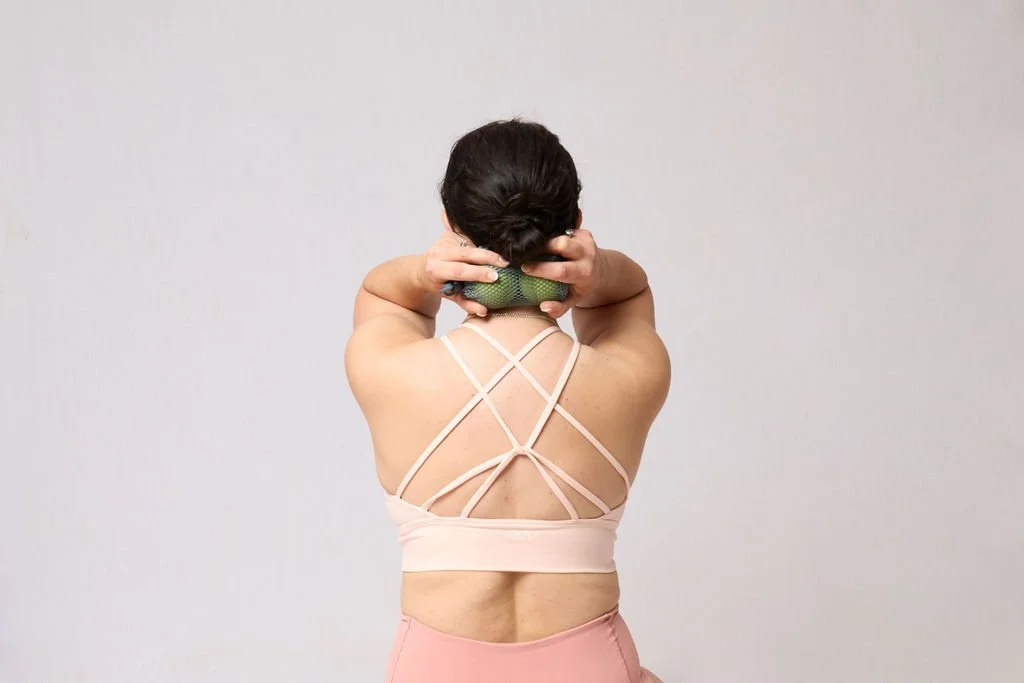
Learn how to incorporate self-myofascial release techniques into Yin Yoga using accessible tools and thoughtful sequencing.
We'll explore the science, practical applications, potential benefits, limitations and precautions, as well as how to combine these techniques into Myo-Yin practices.
Creative sequencing, theming & philosophy
Learn to create classes with intention, not simply string poses together.
We'll explore how to build meaningful sequences, weave in themes and yogic philosophy, and guide students through an experience that feels cohesive and authentic.
Practice teaching, feedback & assessments
You'll have opportunities to practise teaching, receive constructive feedback and refine your skills.
Assessments are designed to help you integrate your knowledge and demonstrate that you can plan, adapt and teach Yin Yoga and Myo-Yin within your professional scope.
Genuine mentorship
Learning is a process. Questions, uncertainty and mistakes are all part of it.
You'll be encouraged to explore, ask questions, reflect and develop your own approach rather than simply copy someone else's teaching style.
What you'll learn
Yin Yoga foundations and philosophy
Explore the principles, history and development of contemporary Yin Yoga, functional approaches to posture, appropriate intensity and duration, rebound, stillness and the integration of yogic philosophy.
Anatomy, fascia and individual variation
Understand the musculoskeletal and neuromyofascial systems, relevant joint anatomy, skeletal variation, connective tissue, tension, compression, proprioception and interoception.
Myofascial release
Explore self-myofascial release using props and tools, with attention to technique, pressure, individual responses, contraindications and scope of practice.
Myo-Yin
Learn to combine self-myofascial release and Yin Yoga into thoughtful, adaptable practices with clear intentions and meaningful transitions.
Trauma-informed teaching
Develop awareness of the nervous system, mental health sensitivity, consent, boundaries, choice, student agency and the use of inclusive, invitational language.
Sequencing and theming
Learn to create purposeful classes, develop meaningful themes, incorporate philosophy and adapt sequences for different students and settings.
Teaching methodology
Refine your observation, communication, cueing, use of props, pacing and ability to offer appropriate options.
Practice teaching and assessment
Put your learning into practice through class planning, teaching demonstrations, feedback, personal reflection and competency-based assessments.
Two ways to learn. One comprehensive training.
Whether you love the connection of learning together in person or need the flexibility to study from home, the training is being designed with two learning pathways.
Option 1 — Hybrid Teacher Training
Combine immersive in-person training with flexible online education.
You'll experience practical workshops, Yin Yoga and Myo-Yin practices, hands-on exploration of props and techniques, teaching exercises and opportunities to connect with other teachers.
You'll also have access to prerecorded lessons, live online coaching, independent learning and assessments.
Option 2 — Fully Online Teacher Training
Designed for teachers who can't travel or need greater flexibility.
Study the prerecorded lessons at your own pace, participate in live online coaching, develop your personal practice and complete structured teaching activities and assessments.
Practical teaching competencies will still need to be demonstrated through appropriate assessment.
Both pathways are intended to provide comprehensive learning, mentorship and assessment, with the final structure and recognition subject to confirmation.
Learn from a teacher who never stops learning
I've been teaching yoga for over 12 years, and one of the things I've learnt is that the best teachers remain students.
My own Yin Yoga education has been shaped by studying with some of the most influential teachers in contemporary Yin Yoga, including:
Paul Grilley — online study exploring Yin Yoga and functional approaches to anatomy.
Bernie Clark — both face-to-face and online training.
Sarah Powers — study of her approach to Yin Yoga and its broader practice.
Jo Phee — two trainings with the creator of MyoYin, exploring the integration of myofascial release and Yin Yoga.
I'm also a qualified Advanced Personal Trainer, bringing additional knowledge of anatomy, movement and the human body into my yoga teaching.
These experiences have shaped the way I teach, but they've also taught me something equally valuable:
There's always more to learn.
I don't believe in presenting one approach as the only right way.
I believe in understanding the principles, questioning assumptions, staying curious and learning to see the individual in front of us.
And that's what I want to share with you.
This training is for you if...
You're a qualified yoga teacher wanting to teach Yin Yoga.
You're already teaching Yin but want to deepen your understanding.
You're curious about fascia, anatomy and myofascial release.
You'd love to offer Myo-Yin classes.
You want to teach with greater awareness of mental health and trauma-informed principles.
You're tired of rigid alignment rules and want to understand individual variation.
You want to create meaningful sequences and themes rather than repeat the same classes.
You value personalised feedback, practical experience and ongoing learning.
You don't need to have all the answers.
You just need to be willing to ask questions.
More than a certificate. Skills you can actually use.
By the end of your training, you'll have developed the knowledge and practical skills to:
Plan and teach purposeful Yin Yoga classes.
Integrate self-myofascial release and Myo-Yin practices.
Apply functional anatomy and individual variation to your teaching.
Offer meaningful options for different bodies and experiences.
Incorporate trauma-informed principles and inclusive language.
Create thoughtful sequences and themes.
Recognise professional boundaries, precautions and when referral may be appropriate.
Reflect on your teaching and respond to constructive feedback.
Successful completion of the training and required assessments will lead to a certificate of completion.
Frequently asked questions
Do I need to be a yoga teacher already?
Yes. This training is designed as professional development for qualified yoga teachers who want to specialise in Yin Yoga, myofascial release and Myo-Yin.
Is the course fully online?
The training is being developed with both hybrid and fully online options. Final delivery arrangements and assessment requirements will be confirmed before enrolments open.
Do I need experience with Yin Yoga?
You don't need to have completed a previous Yin Yoga teacher training. We'll explore the foundations and build on your existing yoga teaching knowledge.
Will I learn Myo-Yin?
Yes. Myo-Yin is a key part of the training. You'll learn to thoughtfully combine Yin Yoga and self-myofascial release techniques.
Is trauma-informed teaching included?
Yes. Trauma-informed principles and mental health awareness are woven into the training, including choice, consent, nervous system awareness, inclusive language and professional boundaries.
Will I be assessed?
Yes. You'll complete practical and theoretical assessments, including opportunities to demonstrate your teaching skills and receive feedback.
Will the training be registered with Yoga Australia?
Yoga Australia course registration is being pursued. Registration status and the approved delivery formats will be confirmed before enrolments open.
Ready to take your Yin Yoga teaching deeper?
Imagine teaching a Yin Yoga class and understanding not only what you're offering, but why.
Being able to explain your choices, offer meaningful alternatives, weave in philosophy and confidently respond when a student needs something different.
Imagine feeling less pressure to have the perfect sequence and more freedom to teach from your own knowledge, experience and authentic voice.
That's the kind of teacher I want to help you become.
Join the interest list to be the first to hear about training dates, course details and enrolments.
[REGISTER YOUR INTEREST]
Approximately 65 hours. Final course hours, delivery options, investment and Yoga Australia registration status to be confirmed.
A different approach to Yin Yoga teacher training
I believe yoga teachers deserve more than a collection of prerecorded videos and a certificate at the end.
You deserve to understand what you're teaching, why you're teaching it and how to adapt when something isn't working.
This training combines in-depth education with practical application, teaching experience, live support and meaningful assessment.
We'll explore Yin Yoga from several perspectives, weaving together functional anatomy, fascial science, yogic philosophy, mental health awareness and evidence-informed teaching.
We'll also explore self-myofascial release and Myo-Yin, expanding the tools you can offer your students.
And we won't stop at theory.
You'll practise planning, sequencing and teaching, receive constructive feedback and demonstrate your understanding through assessments designed to help you become a more capable and confident teacher.
Because completing a course and being ready to teach aren't always the same thing.
Who might consider yoga therapy?
You don't need to wait until something is “wrong”.
People seek Yoga Therapy for many different reasons.
You might be looking for an individualised approach because you're experiencing stress or changes in your mental wellbeing, navigating a health challenge, experiencing persistent discomfort, returning to movement, finding conventional yoga classes inaccessible, or wanting to develop a sustainable personal practice.
You may also simply want professional guidance rather than trying to work out what is appropriate from a generic class, app or YouTube video.
I have a particular interest in mental health and trauma-informed practice.
My interest in this area is both professional and personal. Yoga has formed part of my own experience of trauma recovery, which ultimately influenced the direction of my further training and professional work.
But Yoga Therapy isn't a miracle cure, and I don't market it as one.
It can be used alongside appropriate healthcare, with practices selected for the individual rather than making promises that a particular technique will “fix” a diagnosis.
Already receiving medical or mental-health care?
Yoga Therapy can be complementary to other care. Where appropriate and with your written consent, I welcome communication or collaboration with your treating healthcare professionals.
Please note: Yoga Therapy does not diagnose conditions. Rather, Yoga Therapy is a complementary approach and does not replace medical, psychological or allied health care.
Why work with me
Experience beyond the yoga mat
I've been teaching yoga since 2012, but my professional background extends beyond yoga teaching.
I'm a:
Yoga Therapist (through Yoga Australia) - 650 hours through Biomedical Institute of Meditation and Yoga).
Registered Senior Yoga Teacher Yoga Australia (14 year teaching experience, over 1000 hours formal training and over 1,000 hours teaching logged).
Advanced Personal Trainer ( 1 year full time equivalent study - Diploma of Fitness)
Pilates Instructor (mat, small equipment, reformer, jump reformer, advanced reformer, Cadillac and wound chair face to face)
Roll Model Method Certified Instructor
Certificate IV Allied Health Assistance graduate
I've taught across yoga studios, Pilates studios, gyms, online, child care centres, workplaces, parks and even at a church! I’ve worked with people from the age of 2 to people in their 80s, with widely differing bodies, injuries, health conditioned and backgrounds.
I’m forever a student. I am committed to learning more through continuing professional development, volunteer work on Yoga Australia’s Yoga Therapy Committee. Most importantly learning from my clients.
That broader movement background can be particularly valuable when someone's needs don't fit neatly into a conventional yoga class.
Yoga therapy to support mental wellbeing
I have a particular interest in trauma-informed Yoga Therapy and supporting people experiencing stress or changes in their mental wellbeing. Yoga Therapy may support self-regulation, stress management and coping, alongside appropriate healthcare.
I specialise in trauma-informed yoga therapy, with an emphasis on choice, autonomy and creating practices that respect the individual.
You won't be expected to force your body into a posture, perform yoga a particular way or blindly follow universal alignment instructions.
Instead, we'll explore what is appropriate for your body and circumstances.
You are the expert on your experience. My role is to help you explore yoga practices and tools that may support you.
How my yoga therapy program works
1. Complimentary discovery call
We'll have a short conversation about what you're looking for, answer any initial questions and consider whether Yoga Therapy and my scope of practice are an appropriate fit for you.
2. Complete your confidential intake
Before your first consultation, you'll complete a confidential intake covering relevant health and lifestyle information, your current circumstances, goals and anything that may need to be considered in developing your practice.
3. Your 90-minute initial consultation
We'll explore what's bringing you to Yoga Therapy, what you'd like support with and what matters to you. This session will also involve some further assessments.
The consultation and assessment are an important part of developing an individual approach. Together, we'll begin exploring practices that are appropriate for your needs, circumstances and goals.
This isn't simply a 90-minute private yoga class. It's a collaborative process that starts with you.
4. Develop your individual Yoga Therapy practice
Together, we'll develop a personalised practice that is realistic for your circumstances and can evolve with you.
You'll generally have practices or tools to explore between consultations. At follow-up sessions, we will re-evaluate. With discussions on what's working, what isn't, what's changed and adapt your therapeutic plan accordingly.
What might your yoga therapy practice include?
Yoga Therapy can draw on a broad range of practices from the yoga tradition. What we use will depend on you — there isn't a standard set of techniques that everyone receives.
Your practice may include:
accessible yoga postures and movement (asana)
breathing practices (pranayama)
relaxation and restorative practices
meditation and mindfulness
guided imagery or visualisation
mantra, sound or other contemplative practices
yoga philosophy and self-reflection
lifestyle practices drawn from the yoga tradition, where appropriate.
You won't necessarily use all of these. The practices we explore are selected and adapted according to your individual needs, circumstances, preferences and goals.
Your Yoga Therapy practice is developed with you, not planned as a one-size-fits-all program.
Yoga therapy is a collaborative process. I can provide guidance, education and practices tailored to you, but meaningful change usually takes time, curiosity and participation.
Yoga therapy may not be the right fit for you if you:
are looking for a quick fix, miracle cure or guaranteed outcome;
expect me to “fix” you without actively participating in the process;
are looking for yoga therapy to diagnose, treat or cure a medical or mental health condition;
want to use yoga therapy as a replacement for medical, psychological or other professional care when that care is needed;
aren't currently willing or able to explore practices or strategies between our sessions;
are experiencing an acute mental health crisis that requires crisis or specialist mental health support.
You don't need to practise perfectly, have endless motivation or commit hours every day. Life happens and a therapeutic practice needs to work within your actual life.
What I do ask for is a willingness to participate, communicate openly about what's working (and what isn't), and approach the process with curiosity.
Yoga therapy is about developing tools and practices that support you. Not chasing perfection.
Not sure if it's right for you?
Book a free 15-minute discovery call and we can talk about what you're looking for and whether my approach is an appropriate fit.
Yoga therapy may not be the right fit if….
Is yoga therapy right for me?
-
Private yoga therapy may suit you if you're looking for a complementary approach while navigating an injury, illness or health challenge; you're returning to movement and don't feel comfortable jumping straight into a general class; stress or trauma makes a conventional yoga environment difficult; you'd like a more accessible or individual approach; you've been given generic yoga advice that doesn't work for your body; or you'd simply like professional guidance to develop a sustainable personal practice. You don't need to be flexible, experienced at yoga or able to perform particular postures.
And you don't have to walk into a hot room and become a human pretzel. I tried that approach in 2011. My understanding of yoga has changed considerably since then.
-
1. We start with you
Your initial consultation gives us time to discuss why you've come, your goals, relevant health history and what you would like from yoga therapy.
Where appropriate, I may recommend that you speak with your healthcare professional before beginning particular practices.
2. We explore
Depending on your individual needs, sessions may draw from accessible yoga and movement, breathing practices, meditation, relaxation, mindfulness, self-inquiry and other appropriate yogic practices.
Your plan isn't pulled from a generic template.
3. We create your personal practice
We'll develop a manageable practice you can continue between sessions.
I'm interested in what you'll actually do, not giving you an impressive 90-minute routine that sits untouched on your kitchen bench.
-
Registered Yoga Therapist
Qualified through a 650-hour Master of Biomedical Yoga Therapy, Meditation & Allied Health.Senior Yoga Teacher
Registered Senior Yoga Teacher with Yoga Australia, teaching yoga since 2012.Yoga Therapy Committee Member
Currently contributing to Yoga Australia's Yoga Therapy Committee.Trauma-informed focus
A longstanding professional and personal interest in yoga, mental health and trauma-informed practice.Yoga + Pilates experience
More than 1,000 yoga classes taught, alongside Pilates teaching experience dating from 2015.A broad approach to movement
Training spanning yoga therapy, Yin Yoga, restorative yoga, meditation, myofascial release, Pilates, fitness and allied health assistance. -
Yoga Therapy Canberra
Face-to-face private yoga therapy sessions are available on the Northside of Canberra.
Online Yoga Therapy
Can't see me in Canberra? Private sessions are also available online, allowing us to work together from your own space.
-
A private yoga class is usually individual yoga instruction tailored to your level or goals.
Yoga therapy takes a broader and more therapeutic approach. We begin by exploring what has brought you to yoga therapy, your health history, goals and individual circumstances. From there, we develop practices specifically for you rather than simply creating a personalised exercise sequence.
Your yoga therapy might involve movement, but it doesn't necessarily have to look like a conventional yoga class.
-
Absolutely not.
You don't need to be flexible, fit or experienced at yoga—and you don't need to be able to get up and down from the floor easily.
One of the reasons I work individually with clients is so that practices can be adapted to the person rather than expecting the person to adapt to a predetermined version of yoga.
Yoga isn't about how your pose looks. It's about finding a practice that works for you.
-
Trauma-informed yoga recognises that people's experiences can influence how they experience their bodies, movement, language, environments and relationships.
My approach places particular emphasis on choice, autonomy and individual experience. Rather than assuming there is one “correct” way for everybody to practise, I offer options and encourage you to notice what feels appropriate for you.
You remain an active participant in the process.
I bring both professional training and lived experience to this area, and trauma-informed practice is a particular focus of my work.
You don't need to disclose the details of traumatic experiences in order to work with me.
I'm a Yoga Therapist, not a psychologist, and our sessions aren't talk therapy. You are always in control of what you choose to share.
If you're also working with a psychologist, doctor or other health professional, yoga therapy may form one part of your broader support team where appropriate.
-
Ideally, yes—but we're aiming for consistency rather than perfection.
The practices we explore together are intended to become tools you can draw upon outside our sessions. How that looks will depend on you, your circumstances and your capacity.
Some people may have more time and energy than others. We work with the life and body you actually have—not the imaginary one with unlimited spare time.
-
There isn't a set number because yoga therapy is individualised.
Some people may come with a specific goal and need only a small number of sessions. Others may benefit from working together over a longer period as their practice develops or their circumstances change.
We'll discuss what makes sense for you rather than locking you into unnecessary appointments.
-
Mental health and trauma-informed yoga are particular areas of interest in my work, and I have facilitated yoga workshops exploring depression, anxiety and better sleep.
However, yoga therapy is not psychotherapy, psychological treatment or crisis mental health care.
If you're experiencing an acute mental health crisis, please seek appropriate specialist or emergency support rather than booking yoga therapy as your primary source of care.
-
No. Depending on why a person is seeking yoga therapy will dictate if I’m able to assist or not. I will only not offer my services online if I don’t believe it will be beneficial for a potential client. I have my client’s interests in mind as a top priority.
How much do you charge?
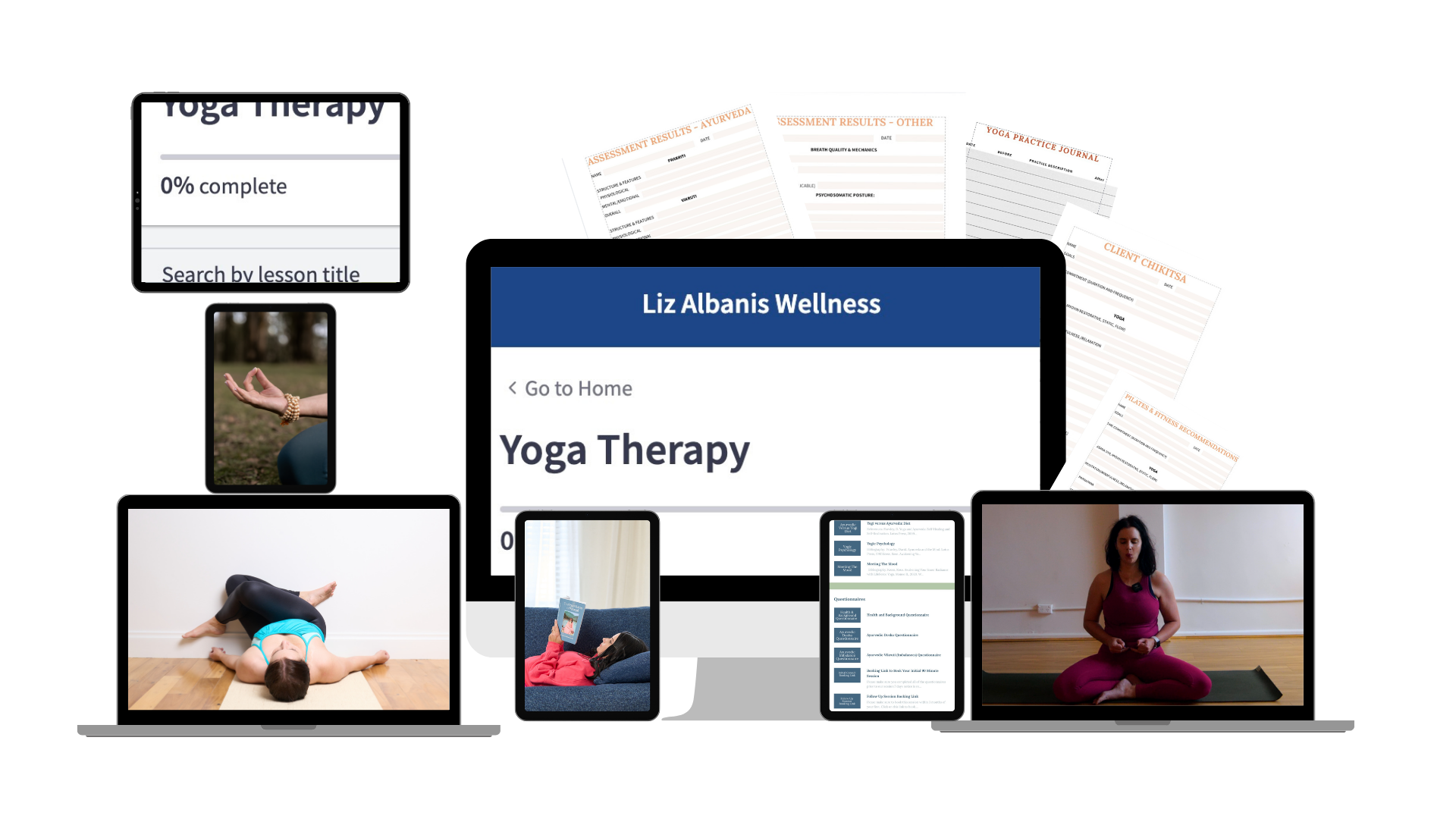
90 minutes initial consultation $180 & 60 minutes follow up consultation $110
Because yoga therapy is individualised, the number and frequency of consultations will vary. I won't ask you to commit to a long program before we've established what's appropriate for you.
Longer-term packages may be recommended where appropriate, but there is no requirement to purchase a package to begin.
Please note: prices are in Australian dollars and are not subject to GST. Please refer to terms and conditions for more information..